


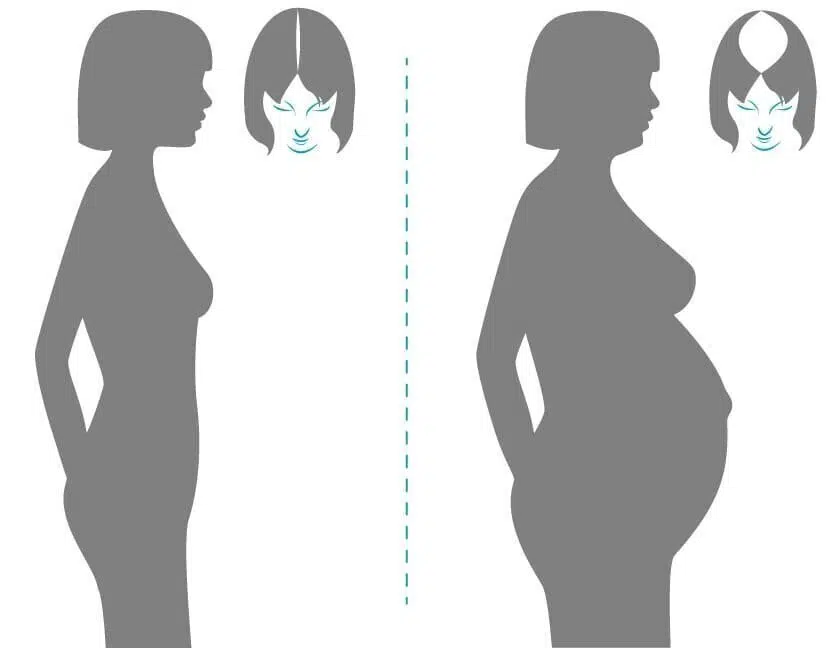
Pregnancy is a miraculous experience that permanently changes a woman’s body. Along with emotional and physical transformations, many women notice changes in their hair soon after becoming pregnant. These changes are largely driven by hormonal fluctuations, increased nutritional demands, and the body’s preparation for childbirth.
While some women enjoy thicker, shinier hair during pregnancy, others experience dryness, brittleness, or even hair loss. This comprehensive guide answers the most common questions about hair loss during and after pregnancy, based on medical research and clinical observations.
How Does Pregnancy Affect Hair Health?
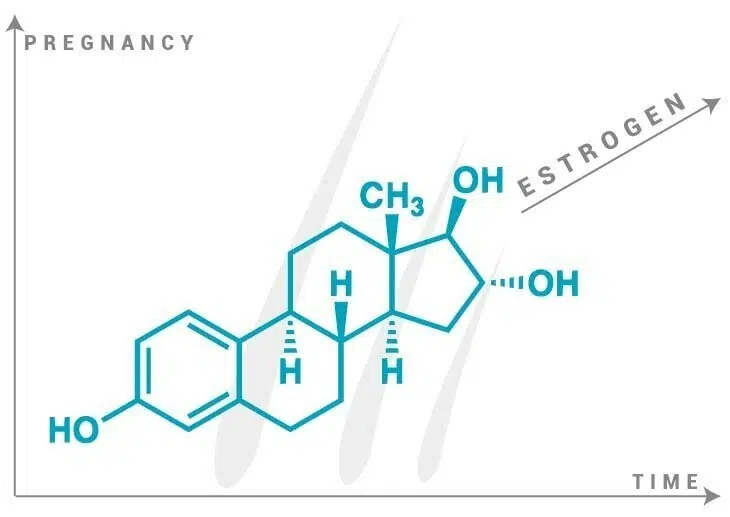
Pregnancy affects hair differently in every woman. Clinical data suggest that around one-third of women notice improved hair quality during pregnancy, particularly after the fourth or fifth month. This improvement is mainly due to rising estrogen levels.
Estrogen prolongs the anagen (growth) phase of the hair cycle, meaning fewer hairs enter the telogen (shedding) phase. As a result, hair often looks fuller, denser, and healthier.
However, not all women experience these benefits. Others may notice:
- Increased dryness
- Brittle or frizzy hair
- Changes in texture
- Mild shedding
These differences occur because hair follicles respond individually to hormonal changes, and the response may vary from one pregnancy to another—even in the same woman.
Importantly, it is rare to experience continuous hair loss throughout all nine months of pregnancy. For most women, hair looks healthiest during the last trimester.
Hair Health in the First Trimester of Pregnancy
During the first three months of pregnancy, hair may feel thicker, but this is not due to faster growth. Hair grows at an average rate of 0.5 cm per month, so visible length changes take time.
The perceived increase in volume happens because:
- Estrogen reduces daily hair shedding
- Sebum (natural scalp oil) production may decrease
Reduced sebum can make hair appear fuller, but it can also cause dryness and fragility, especially in the first trimester. Moisturizing care and gentle handling are particularly important during this stage.
Is Hair Loss During Pregnancy Normal?
Yes—mild hair shedding during pregnancy can occur, but it is usually limited. In fact, most women lose fewer hairs than normal during pregnancy due to prolonged hair growth phases.
Postpartum Hair Loss: What Really Happens?
The most noticeable hair loss usually occurs after childbirth, not during pregnancy. This is caused by a sudden drop in estrogen levels and is known as postpartum telogen effluvium.
Typical timeline:
- Begins 2–4 months after delivery
- Peaks around 4–6 months postpartum
- Gradually improves over 6–12 months
This process is temporary and physiological, not a sign of permanent hair loss or follicle damage.
Causes of Hair Loss During Pregnancy
Hair loss during pregnancy or postpartum can result from multiple factors acting together:
- Hormonal changes: Disrupt the normal hair growth cycle
- Nutritional deficiencies: Low iron, protein, zinc, vitamin D, or B12
- Thyroid disorders: Pregnancy-related thyroid imbalance
- Pregnancy-related conditions: Gestational diabetes, severe infections
- Genetic predisposition: Family history of female pattern hair loss
- Gynecological conditions: Polycystic ovary syndrome (PCOS)
- Reproductive factors: Stopping contraceptives, miscarriage, stillbirth
- Scalp conditions: Allergies, inflammation, or skin disorders
If hair loss feels excessive or prolonged, a medical evaluation is recommended.
How to Prevent or Reduce Hair Loss During Pregnancy
While hormonal hair shedding cannot always be prevented, proper care can significantly reduce its severity.
Pregnancy-Safe Hair Care Tips
- Oil massage: Coconut, almond, or olive oil 1–2 times per week
- Avoid excessive styling: Limit heat tools and chemical treatments
- Balanced nutrition: Focus on protein, iron-rich foods, fruits, vegetables, and antioxidants
- Stress management: Meditation, light exercise, and adequate sleep
- Pregnancy-safe products: Avoid harsh chemicals and strong fragrances
- Avoid combing wet hair: Let hair partially air-dry before detangling
Always consult your doctor before starting supplements during pregnancy.
Is a Hair Transplant Necessary After Pregnancy Hair Loss?
In most cases, a hair transplant is not necessary after pregnancy-related hair loss.
Hair loss during or after pregnancy is typically caused by postpartum telogen effluvium, a temporary condition linked to hormonal changes. The hair follicles remain healthy and capable of regrowth.
What usually happens naturally:
- Shedding peaks 2–6 months postpartum
- New hair growth begins gradually
- Hair density often recovers within 6–12 months
Because follicles are not permanently damaged, surgical treatment is rarely required.
When might a hair transplant be considered?
Only in uncommon situations, such as:
- Pre-existing female pattern hair loss before pregnancy
- Hair thinning lasting longer than 12–18 months postpartum
- Confirmed follicular miniaturization
- Medical causes (iron deficiency, thyroid disease, PCOS) have been treated
Even in these cases, pregnancy itself is not the primary cause—it may simply reveal an underlying condition.
Most specialists recommend waiting at least 12 months after childbirth and completing breastfeeding before considering any surgical evaluation.


