


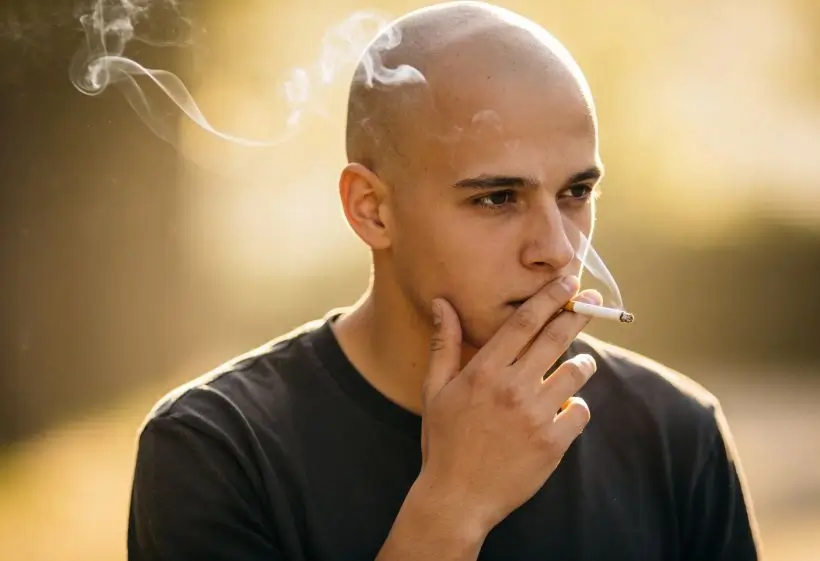
While the general health risks of tobacco are well-documented, its specific impact on follicular survival is critical. Smoking doesn’t just affect your lungs; it creates a hostile environment for newly transplanted grafts, potentially compromising your entire result.
How Smoking Compromises Hair Restoration
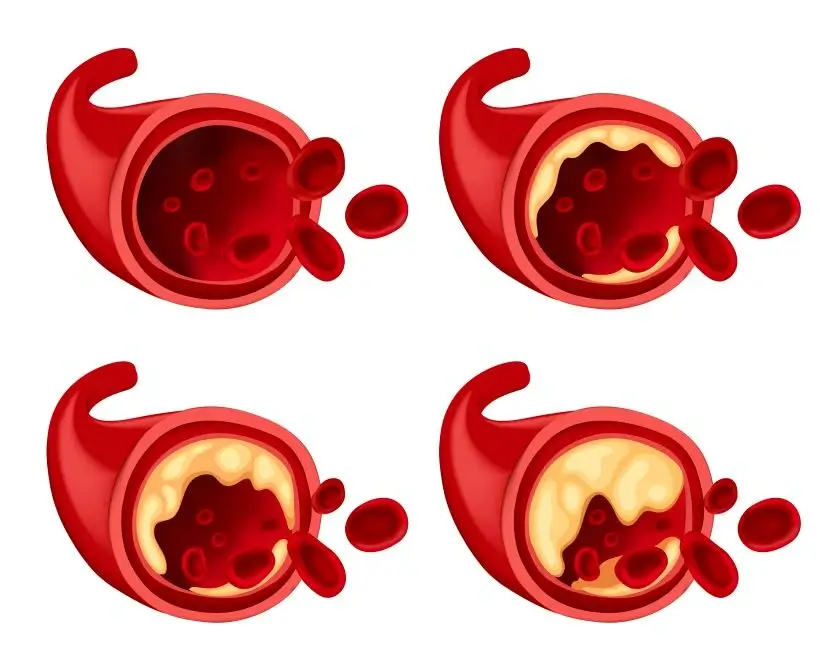
The success of a hair transplant relies on vascularization—the process where the scalp creates new blood vessel connections to the “rented” grafts to provide them with life-sustaining oxygen and nutrients. Smoking disrupts this via several biological mechanisms:
Vasoconstriction and Oxygen Deprivation
Nicotine is a potent vasoconstrictor, meaning it causes blood vessels to narrow and harden. This reduced diameter limits blood flow to the scalp. During the delicate post-operative window, transplanted follicles are in a state of survival; if they are deprived of oxygen (hypoxia), they may fail to “take” and eventually die.
Slowed Tissue Healing and Infection Risk
Cigarette toxins permeate the blood and skin tissues, impairing the body’s ability to repair surgical incisions. Delayed healing keeps the wounds “open” longer, significantly increasing the window for bacterial infection and potential scarring (necrosis), which can permanently damage both the donor and recipient areas.
Excessive Crusting and Bleeding
Nicotine can interfere with the body’s natural clotting responses. Patients who smoke often experience increased bleeding during the FUE or DHI process. This leads to excessive scabbing and crusting post-surgery. Thick crusts can itch, irritate the scalp, and—if they stay on the skin too long—hinder the emergence of new hair shafts.
The Comparison: Smokers vs. Non-Smokers
Scientific data consistently shows a correlation between tobacco use and diminished hair health.
Feature | Smokers | Non-Smokers |
Blood Circulation | Restricted (Vasoconstriction) | Optimal |
Graft Survival Rate | Lower (risk of hypoxia) | High |
Recovery Speed | Delayed (higher risk of scarring) | Fast / Standard |
Infection Risk | Increased | Minimal |
Hair Quality | Often brittle/thin (DNA damage) | Healthy/Strong |

Important Protocol for Active Smokers: Before & After
If you are an active smoker, preparation is key to ensuring your surgery isn’t a wasted effort. We strictly recommend the following timeline:
- Before the Procedure: You must stop smoking at least 7 days before surgery. This allows your blood’s oxygen-carrying capacity to return to a functional level and reduces the risk of complications with anesthesia.
- After the Procedure: You must maintain total abstinence for at least 7 to 14 days post-surgery.
The post-operative window is the most critical period; this is when the grafts are most vulnerable and need maximum blood flow to anchor. While waiting 3 to 4 months for a full recovery is ideal for your overall health, the first two weeks are non-negotiable for graft survival.
FOTO
The Scientific Link: Smoking and Hair Loss
Beyond surgery, smoking is a known catalyst for ongoing hair loss. A landmark 2020 study examined the prevalence of androgenetic alopecia (AGA) and found a stark contrast: in a sample group, 425 out of 500 smokers showed significant hair loss, compared to only 200 out of 500 non-smokers.
Researchers believe tobacco smoke damages the DNA of the hair follicle cells and destroys keratin proteins. While quitting smoking won’t cure hereditary baldness, continuing to smoke acts like “pouring gasoline on a fire,” accelerating the thinning process.



