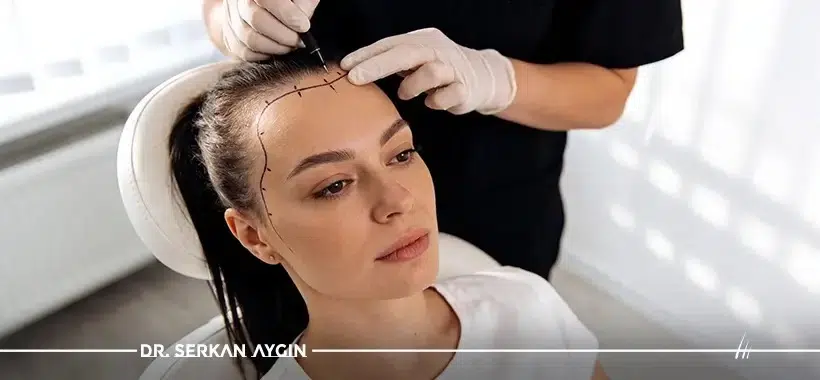
A hair transplant is a safe, permanent solution to female male pattern baldness. If creams and topical treatments fail, women can always opt for a hair transplant for women in Turkey. Restore your confidence and self-esteem with an unshaven surgery at the Dr. Serkan Aygin Clinic, awarded ‘Best Hair Transplant Doctor in Europe‘ (Paris, 2019).
Counting 25,000+ hair transplant surgeries with a 98% hair regrowth rate. Here is the crucial information you need to ensure a safe, successful procedure adapted to your needs and wants.

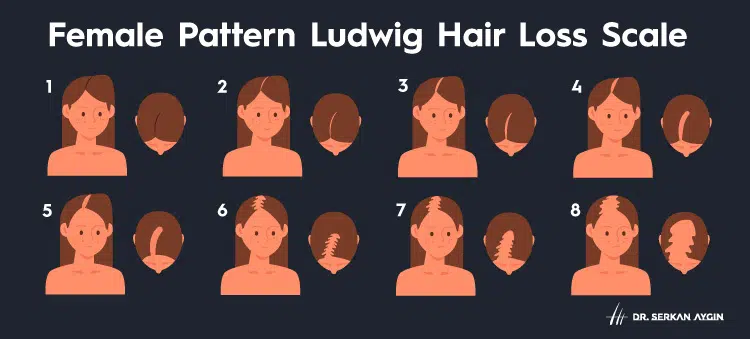
A hair transplant for women requires a complete understanding of female hair loss patterns baldness, also known as ‘The Ludwig Scale’, surgical xperience and an artistic eye on feminine hairline design.
Below, we will detail:
- The A-to-Z hair transplant surgery for women in Turkey
- What patients are considered suitable candidates for hair replacement for women
- The required techniques for an invisible procedure
- The average total cost of hair transplant Turkey women (no hidden fees), circling $2,700 to $4,200
About Dr. Serkan Aygin

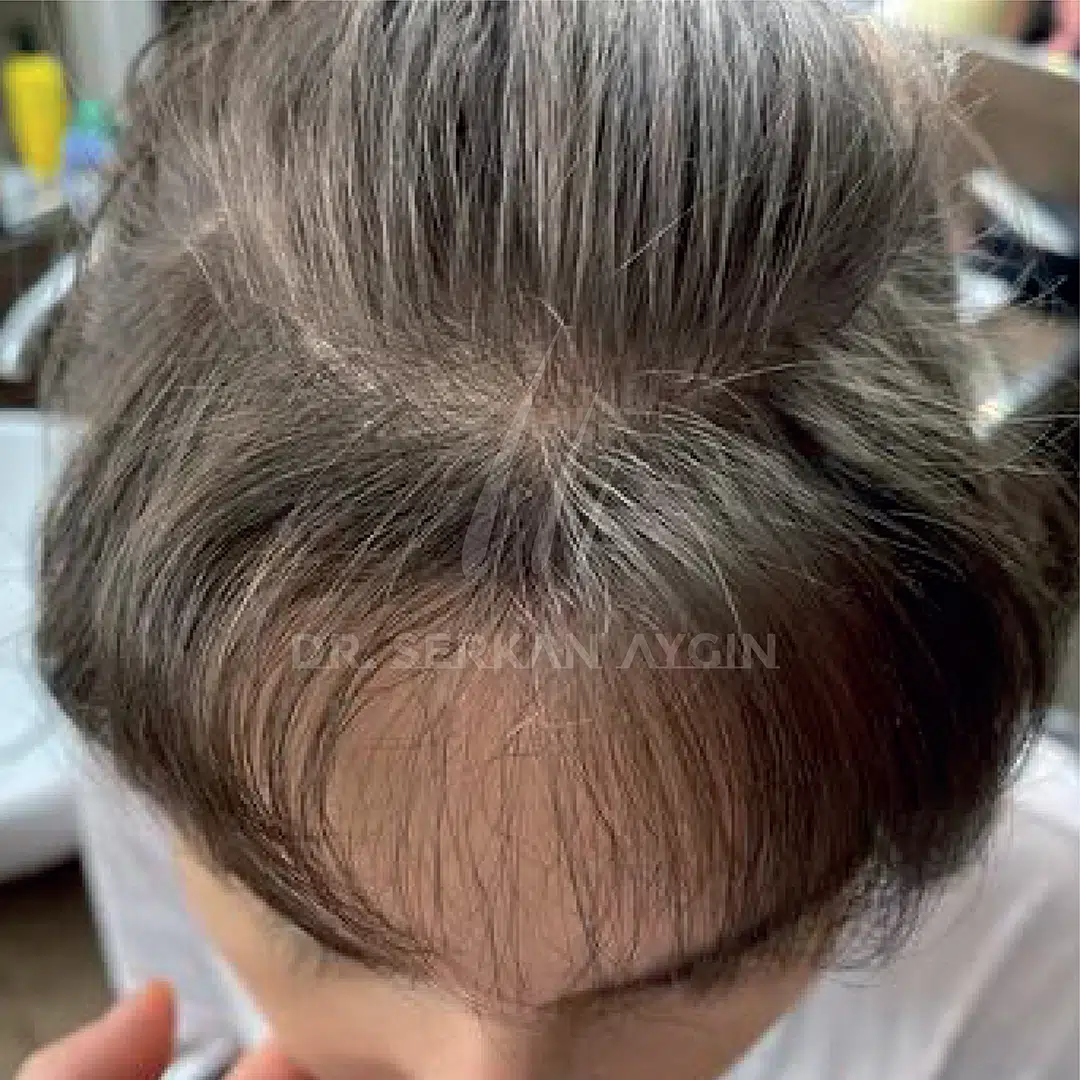
Liking to wear his hair long, Dr. Serkan Aygin performed an unshaven ‘Long’ DHI procedure on himself in 2023, the same surgery he performs for a hair transplant for women in Turkey. Below, you will find his results 2 months after the procedure, along with before and after pictures of other hair transplant turkey women.
Hair Transplant Results in Turkey
Achieve the best hair transplant results for women in Turkey with the awarded ‘Best Hair Transplant Surgeon in Europe‘ (Paris, 2019), Dr. Serkan Aygin. We employ unshaven hair transplant techniques for a discreet, life-changing procedure. Contact us for a free hair analysis.
Facts About Hair Loss and Hair Transplants for Women
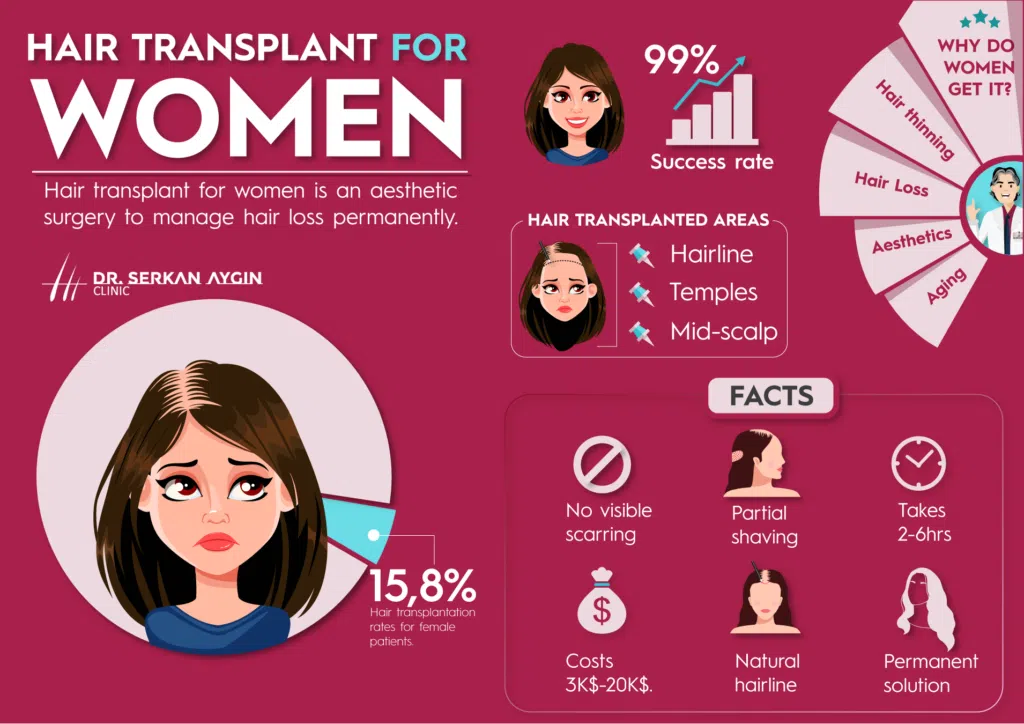
Hair loss in women occurs more than you think. Here are some facts about hair transplants for women:
- Approximately 30% (⅓) of women experience hair loss in their 30s
- Roughly 40% of women face hair loss by age 50
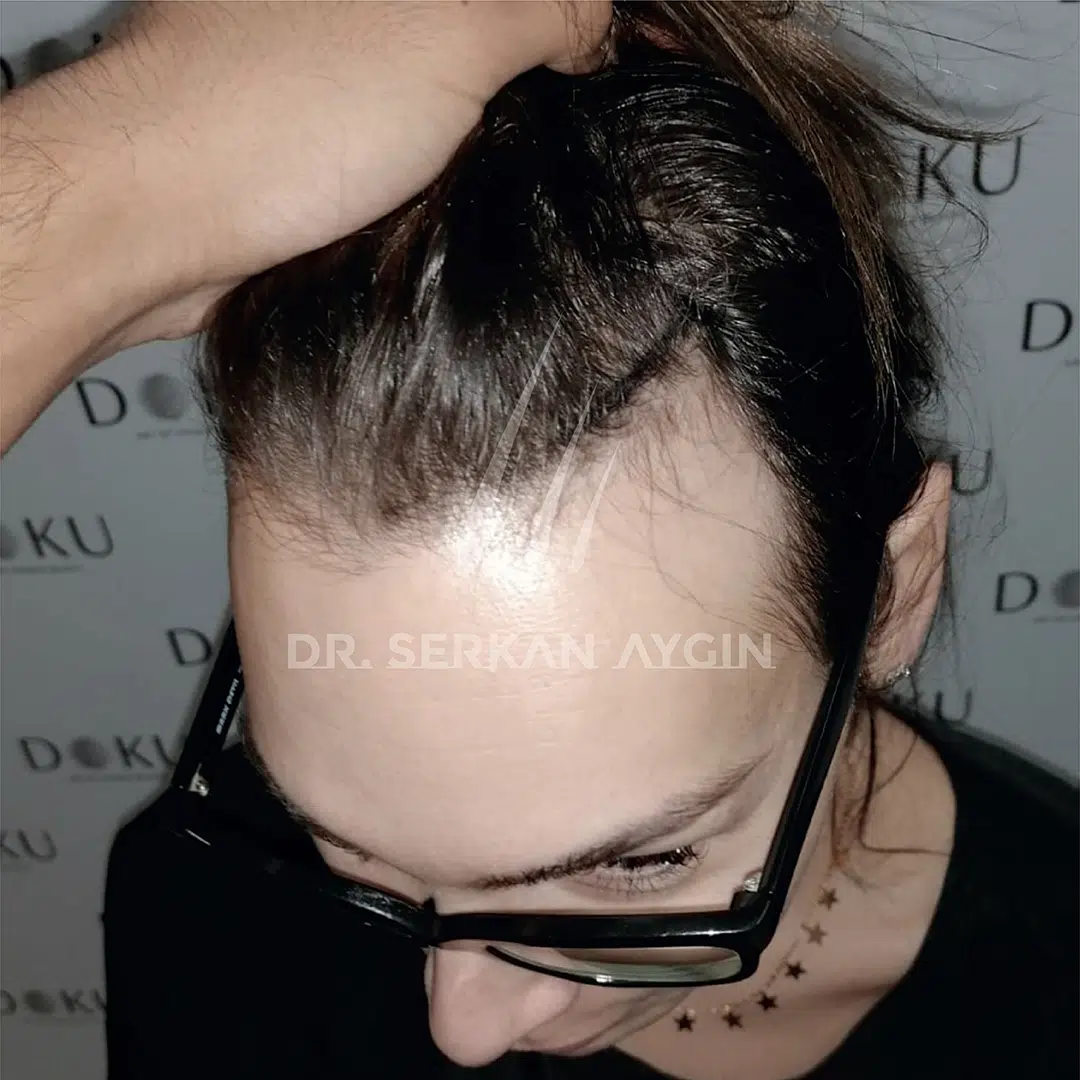
- Hair thinning, shedding, and balding in women typically occurs at the top of the head
- A hair transplant for women with receding hairline is more and more requested
- In time, it may progress downward, affecting hairline and temples
- Women can get a successful hair transplant even after menopause
- The best candidates for female hair transplantation are women with androgenetic alopecia
- Women don’t need to shave their entire head for a hair transplant, only a portion of the back area
- The procedure requires only local anesthesia and lasts 2–6 hours
- The minimally invasive treatment leaves no visible scarring
- Female hair transplantation provides natural-looking, permanent results
- The final result is visible within a year following the hair transplant
Let’s see how hair restoration differs in men and women.
Male vs. Female Hair Transplant – What Is the Difference?
Hair loss occurs differently in male and female. Men typically experience a receding hairline, thinning at the top of the head (the crown or vertex region), or both. That’s male pattern hair loss (MPHL) or androgenetic alopecia in men.
On the other hand, women notice thinning hair at the part line or around the temples. We refer to it as female pattern hair loss (FPHL) or androgenetic alopecia in women. The difference from MPHL means women need fewer grafts when transplanting hair.
Unlike men, women rarely experience complete baldness. That makes female hair transplantation more manageable than its male counterpart.However, women can experience diffuse hair thinning all over the head. That makes finding a donor area with healthy hair challenging.
Another difference between a female and male hair transplant is that the former requires only partial shaving (at the back of the head). Men can undergo a no-shave or partially unshaven hair transplant, but only some are suitable candidates.
How Does a Hair Transplant for Women Work?

A hair transplant procedure for women involves DHI (Direct Hair Implantation), a cutting-edge method requiring no shaving or incisions. It includes the following stages:
- Anesthesia – The procedure starts with administering local anesthesia for a pain-free treatment.
- Graft harvesting – A specialist makes tiny (less than 1 mm) round punches around follicular units in the donor area using a micro-motor surgical tool. Upon loosening the connective tissue, they extract healthy donor hair with forceps.
- Direct hair implantation – The final stage involves placing the harvested hair follicles into a Choi pen’s hollow needle and directly inserting them into the recipient area. That state-of-the-art tool has forceps for seamless hair transplantation without damaging the surrounding tissue.
The innovative DHI technique requires high precision but ensures minimal scalp trauma, fast recovery, and higher graft survival rates.
When Is One Suitable for a Female Hair Transplant?
A suitable age for a hair transplant is between 25 and 65, whether you’re a man or a woman. Undergoing the procedure before turning 25 could result in unsatisfactory results because your surgeon can’t accurately determine your donor area’s stability at that age.
Still, most experts advise women to wait until they’re 30 because hair thickening reaches its highest point by that age.
Unfortunately, this treatment for women isn’t suitable for those with:
- Alopecia areata – an autoimmune disease that may lead to alopecia totalis (complete hair loss);
- Telogen effluvium – diffuse hair shedding (primarily when the condition is acute);
- Trichotillomania – a compulsive hair-pulling disorder;
- Lichen planopilaris – an inflammatory skin condition causing clumps of hair to fall out.
If you’re in menopause, we recommend waiting because your body is undergoing significant hormonal changes. Post-menopausal women can enjoy permanent hair transplant results.
Female Hair Transplant Aftercare
Aftercare is critical for successful hair growth, so follow these tips:
Don’t wash your hair within the first 24 hours following the surgical treatment.
- Keep your head elevated while sleeping during the first week to reduce swelling.
- Don’t scratch the transplant area (it will be itchy).
- Apply the lotion your chosen surgical team has provided.
- Don’t wear tight hats, helmets, or swim caps.
- Don’t use hair styling products or dye your hair during the first several months after the surgery.
Your hair transplant surgeon will provide the aftercare instructions, so follow them to ensure graft survival and satisfying results.
Flawless Patient Care at Dr. Serkan Aygin Clinic
The award-winning Dr. Serkan Aygin Clinic is famous for excellent patient care, from the initial consultation to the final follow-up. It even handles your accommodation and transfer, ensuring a stress-free experience.
The clinic’s specialized, experienced team performs the hair transplant operation, but the world-famous Dr. Serkan Aygin accompanies every patient before and after the hair transplant. He’s always available for questions, concerns, advice, and aftercare.
Schedule your free consultation to see if you’re a suitable candidate and discuss your options.
FAQs
How much does a female hair transplant cost in Turkey?
Female hair transplants typically range between $2,500 and $5,500. At the Dr. Serkan Aygin Clinic, all-inclusive packages average €2,700 to €4,500, covering DHI or Sapphire FUE techniques, luxury accommodation, VIP transfers, and specialized aftercare.
Does Turkey hair transplant work for women?
Yes, it is highly effective. Modern DHI and Sapphire FUE techniques allow for high-density results without full shaving. At Dr. Serkan Aygin’s clinic, female patients achieve a 95–98% success rate for hairline lowering and thinning.
Is hair transplant in Turkey risky?
Risk is minimal when choosing licensed, regulated clinics. While “hair mills” pose threats of infection or poor results, the Dr. Serkan Aygin Clinic follows strict Ministry of Health protocols and 2026 mandatory complication insurance standards.
How long do Turkish hair transplants last?
They are designed to be permanent. Transplanted follicles are harvested from DHT-resistant donor areas, meaning they grow for a lifetime. With expert execution by Dr. Serkan Aygin, over 90% of transplants remain successful after 10+ years.
Why don't Jeff Bezos do hair transplants?
Bezos likely missed the window for early treatment or lacked sufficient donor hair for a full restoration. Others suggest he simply embraces the bald look as part of his iconic, high-performance professional brand and “tough guy” image.
Where do celebrities go for a hair transplant in Turkey?
High-profile figures prioritize discretion and elite expertise at the Dr. Serkan Aygin Clinic. Renowned for “European Best Surgeon” awards and natural hairline design, the clinic provides the privacy and luxury experience required by international celebrities.
REFERENCES
[1] International Society of Hair Restoration Surgery: 2020 Practice Census Results
[2] Lam, S. M. (2020). Hair Loss and Hair Restoration in Women. Facial Plastic Surgery Clinics of North America, 28(2), 205–223. doi:10.1016/j.fsc.2020.01.007
[3] https://www.gminsights.com/industry-analysis/hair-transplant-market
[4] Unger RH. Female hair restoration. Facial Plast Surg Clin North Am. 2013;21(3):407-417. doi:10.1016/j.fsc.2013.05.011
[5] Fabbrocini G, Cantelli M, Masarà A, Annunziata MC, Marasca C, Cacciapuoti S. Female pattern hair loss: A clinical, pathophysiologic, and therapeutic review. Int J Womens Dermatol. 2018;4(4):203-211. Published 2018 Jun 19. doi:10.1016/j.ijwd.2018.05.001
[6] Ülker Erkan, A. (2011). THE FORMATION OF FEMINIST IDENTITY: FEMINISM IN THE 1930’S TURKEY AND BRITAIN . Kastamonu Eğitim Dergisi , 19 (3) , 1013-1028 . Retrieved from https://dergipark.org.tr/en/pub/kefdergi/issue/49049/625746
[7] Ludwig E. Classification of the types of androgenetic alopecia (common baldness) occurring in the female sex. Br J Dermatol. 1977;97(3):247-254. doi:10.1111/j.1365-2133.1977.tb15179.x
[8] Savin RC. Kalamazoo, MI: The Upjohn Company; 1994. Evaluating androgenetic alopecia in male and female patients.
[9] Scribel M, Dutra H, Trüeb RM. Autologous Hair Transplantation in Frontal Fibrosing Alopecia. Int J Trichology. 2018 Jul-Aug;10(4):169-171. doi: 10.4103/ijt.ijt_37_18. PMID: 30386076; PMCID: PMC6192237.