


Many men and women worry that hormonal imbalances might jeopardize their surgical results. While low testosterone (the primary androgen produced in the Leydig cells) is often overlooked in favor of DHT concerns, its role in follicular vitality is undeniable. Understanding the systemic environment of your scalp is the first step toward achieving the dense, natural-looking results you deserve.
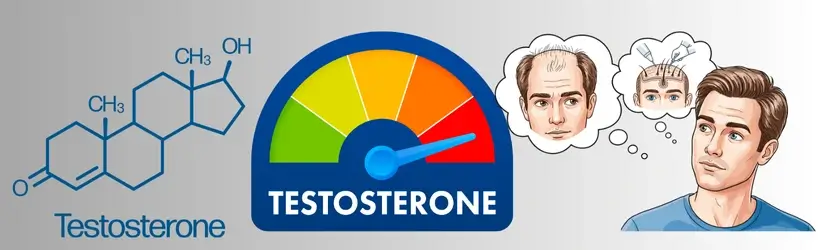
The Vital Role of Testosterone in the Male Body
Testosterone is the fundamental fuel for various biological systems, ranging from bone density and muscle mass to mood regulation and libido. Beyond these well-known functions, it acts as a critical metabolic signal for hair follicles, ensuring they have the energy required for cellular regeneration. When levels are chronically low, a condition known as hypogonadism, the body may prioritize vital organ functions over “non-essential” processes like hair production.
Patients with hormonal deficits often experience specific symptoms of low testosterone, such as chronic fatigue, increased body fat, and a noticeable loss of muscle tone. From a dermatological perspective, the most common sequels include a loss of body hair and a significant decrease in scalp hair caliber. This thinning occurs because the body lacks the hormonal “instruction” to maintain a robust growth phase.
Does Low Testosterone Affect Hair Transplant Success Rates?
The success of a hair restoration procedure depends heavily on the survival and “take” of the transplanted follicles. While low testosterone doesn’t physically prevent a graft from anchoring, it can influence the quality of the hair that grows back. Since testosterone supports protein synthesis, a deficiency might lead to a slower growth rate or finer hair strands during the first twelve months of recovery.
Medical experts typically analyze a patient’s hormonal profile to ensure the donor area—usually the back of the scalp—is resilient enough for relocation. Research indicates that patients who maintain balanced hormones often see more vigorous and resilient growth. For those seeking a hair transplant Turkey offers not just technical surgical skill, but a holistic medical approach that identifies these hormonal gaps during the initial blood analysis.
Comparing Restoration Techniques: DHI and FUE for Thinning Hair
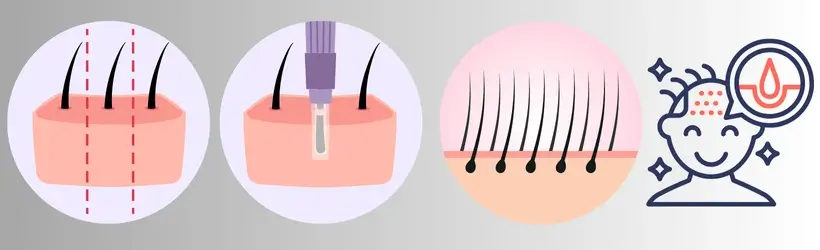
When dealing with thinning exacerbated by hormonal fluctuations, the choice of technique is paramount. The DHI (Direct Hair Implantation) method is frequently recommended for patients who still have a significant amount of existing hair but suffer from low density. This technique uses the Choi Implanter Pen, allowing surgeons to implant grafts between existing hairs with surgical precision and without the need for traditional canal opening.
The primary advantage of DHI in the context of hormonal thinning is the reduced trauma to the scalp and the minimal time the grafts spend outside the body. Because low testosterone can lead to a more sensitive scalp environment, the faster recovery time associated with this method ensures a seamless transition for the follicles. This precision is what allows for the high-density results seen in world-class clinics.
Evaluating Hair Transplant Cost vs. Long-Term Hair Density
Prospective patients should view the hair transplant cost as a long-term investment in their self-confidence and appearance. While price is a factor, the value of a procedure is truly measured by the survival rate of the grafts and the naturalness of the result. Choosing a clinic that includes comprehensive post-operative care and hormonal consultations ensures that the investment pays off for decades to come.
Factor | Standard Impact | Consideration for Low T Patients |
Number of Grafts | High | May require higher density for fine hair. |
Technique (FUE vs DHI) | Medium | DHI is often preferred for precision. |
Medical Support | Essential | Necessary for monitoring hormonal health. |
Location | Variable | Turkey provides top-tier care at competitive rates. |
Analyzing Hair Transplant Before and After Results in Hormonal Cases
Visual evidence remains the most reliable indicator of a clinic’s capability. When examining hair transplant before and after galleries, it is helpful to look for patients with similar hair characteristics, such as diffuse thinning or crown loss. High-quality documentation will show not just a new hairline, but a significant improvement in the overall texture and thickness of the hair twelve months post-procedure.
Success in these cases is defined by a natural-looking density that blends perfectly with the rest of the scalp. Patients who have undergone these transformations often report that the procedure encouraged them to adopt a healthier lifestyle, including managing their hormone levels through diet and medical guidance. This synergy ensures that the results captured in the photographs are maintained throughout the patient’s life.


