

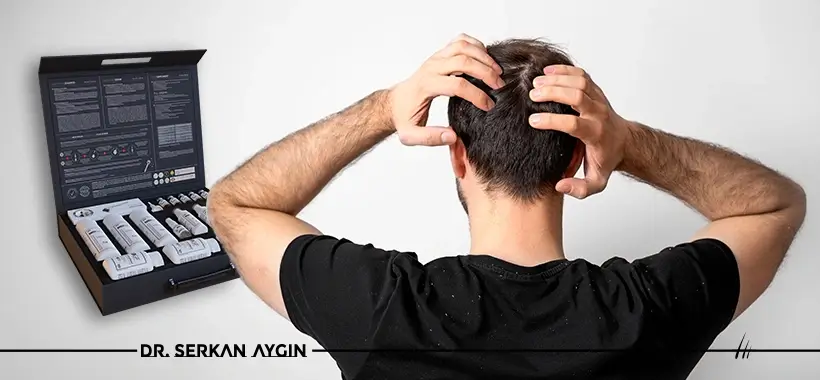
Embarking on a hair restoration journey is transformative, but your unique skin physiology plays a pivotal role in how quickly and effectively you heal. Whether you struggle with excess sebum or persistent dryness, understanding your scalp’s specific needs is crucial for protecting your new grafts. This guide explores tailored aftercare protocols to ensure your Hair Transplant in Turkey experience delivers life-changing results.
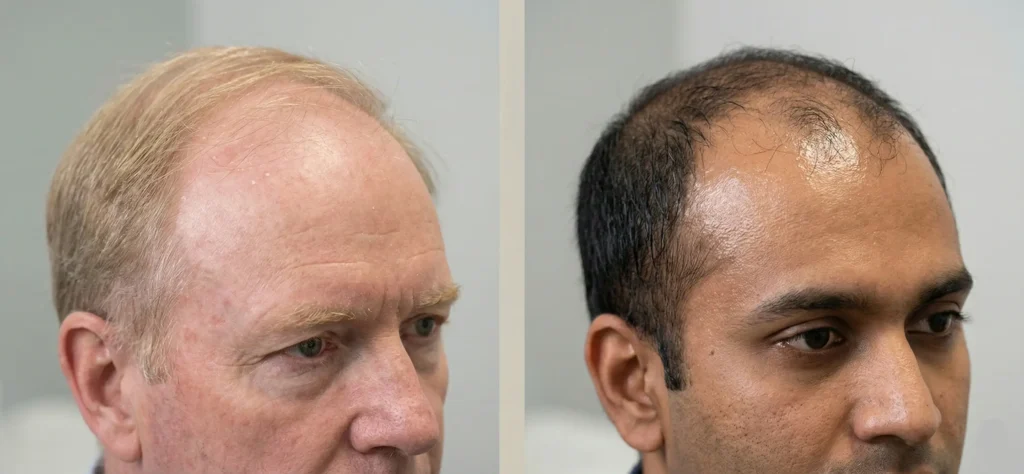
The Science of Sebum: Why Oily Scalp and Hair Transplant Success are Linked
Your scalp’s sebaceous glands are responsible for producing sebum, a natural oil that hydrates and protects the skin barrier. While essential for health, the rate of production varies significantly among patients. During a hair transplant, thousands of micro-channels are opened, temporarily disrupting the skin’s natural balance. It is important to note that the trauma of surgery can sometimes trigger a temporary increase in oil production as a defense mechanism.
Understanding this biological mechanism is vital for post-operative care. Medical studies suggest that patients with hyperactive sebaceous glands may experience a “rebound effect” post-surgery, where the scalp overproduces oil in response to the trauma. This interaction between an oily scalp and hair transplant recovery requires specific attention to prevent complications like clogged pores, known as folliculitis, which can hinder the healthy uptake and growth of the newly implanted follicles.
Navigating Recovery with an Oily Scalp
Patients with oily skin often worry about infection, but there are distinct advantages to this skin type. Dermatologically speaking, oily skin tends to be thicker and possesses higher elasticity compared to dry skin. This provides a robust “recipient site” that can often hold grafts more securely during the critical first week. However, the primary risk involves folliculitis—the inflammation of hair follicles caused by trapped bacteria and excess oil accumulation. If left unmanaged, this can jeopardize the final aesthetic outcome.
To mitigate these risks, hygiene becomes paramount. Leading experts in Hair Transplant clinics typically recommend a vigilant washing schedule for oily scalps once the initial 48-hour waiting period has passed. Using a specialized medical shampoo helps strip away excess lipid layers without irritating the sensitive graft sites. It is crucial to wash the area gently; vigorous scrubbing is strictly prohibited as it can dislodge grafts, yet neglecting oil buildup creates a breeding ground for bacteria.
Dry Scalp and Hair Transplant Recovery: Managing Itchiness and Flaking
Managing a dry scalp and hair transplant recovery presents a different set of challenges compared to oily skin. Patients with naturally dry skin often report a sensation of intense tightness and itching around the donor and recipient areas as anesthesia wears off. This is a critical phase because the urge to scratch can be overwhelming. Scratching must be avoided at all costs, as mechanical trauma can dislodge fragile grafts and introduce bacteria into the micro-wounds, leading to scarring or graft failure.
Furthermore, dry scalps tend to retain scabs (crusts) for a longer period. While scabbing is a normal part of the healing process, excessive dryness can cause these crusts to harden significantly, making them difficult to wash away during the routine cleaning phase. To combat this, hydration is the key strategy. Doctors often prescribe frequent use of saline sprays and deep-moisturizing lotions. Keeping the scalp moist not only relieves the itch but also softens the scabs, facilitating their safe removal around the 10th day post-operation.
Comparative Overview: Healing Timelines and Risks
Understanding the distinct differences between skin types helps set realistic expectations for your recovery. While the procedure remains the same, the biological reaction of your scalp dictates your specific aftercare needs. Below is a comparison of how different skin types typically respond during the first month.
Feature | Oily Scalp | Dry Scalp |
Primary Sensation | Greasiness, heaviness, mild irritation. | Tightness, intense itching, “pulling” sensation. |
Major Risk | Folliculitis (pimples), infection from trapped bacteria. | Dislodged grafts due to scratching; stubborn scabs. |
Scab Removal | Scabs usually soften and fall off faster (Days 8-10). | Scabs may persist longer without aggressive hydration (Days 10-12). |
Key Care Product | Clarifying medical shampoos; frequent washing. | Panthenol lotions; Saline sprays; hydrating oils. |
Graft Anchor | High (thicker skin holds grafts well). | Moderate (skin elasticity may be lower). |
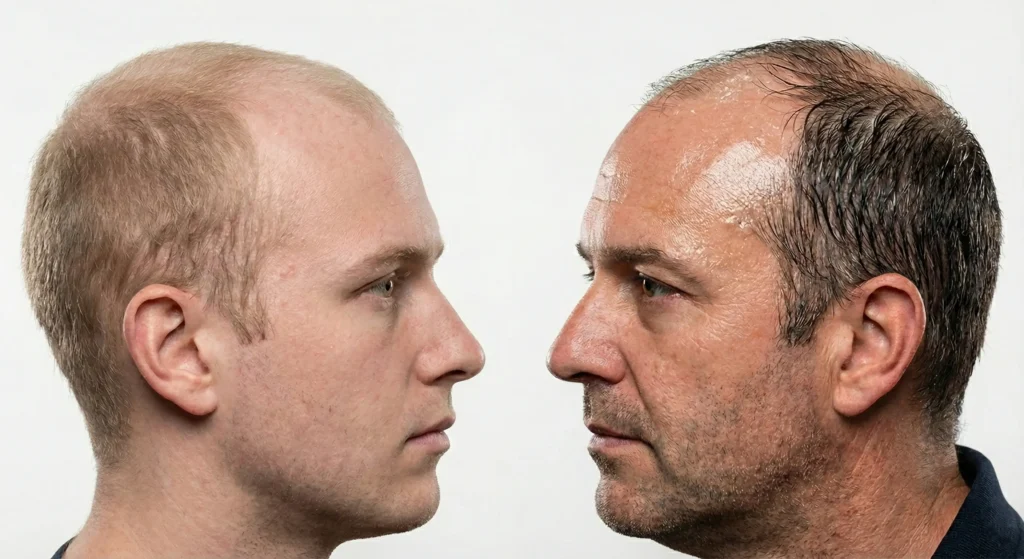
Achieving the best Hair Transplant Before and After results is not just about the surgery; it is about the precision of your daily care. Imagine a visual roadmap for your scalp’s recovery:
For oily scalps, the visual focus is on “clarity”—ensuring pores remain visible and unclogged by grease, which allows the new hair to break through the skin surface effortlessly. The infographic above illustrates the “dabbing” motion required to cleanse oil without dragging the skin.
For dry scalps, the visual goal is “elasticity.” The transformation from a tight, flaky surface to a hydrated, healthy scalp is dramatic. Photos often show that patients who adhere to a strict moisturizing regimen have significantly less redness and almost invisible scabbing by day 10. Visualizing these milestones helps patients stay motivated. If you neglect the specific needs of your skin type, the “after” photos may reveal patchiness or delayed growth due to poor graft survival rates.
Does Skin Type Influence Hair Transplant Cost?
One of the most common queries is whether having a problematic scalp affects the overall Hair Transplant Cost. Generally, the base price of the procedure remains consistent regardless of whether you have dry or oily skin. Top-tier clinics typically offer all-inclusive packages that cover the standard surgical needs, anesthesia, and basic aftercare medications required for a standard recovery process.
However, severe cases may incur slight variations. If a patient suffers from extreme conditions like chronic Seborrheic Dermatitis (excessively oily and inflamed skin) or Psoriasis, they may require a pre-operative dermatological treatment plan before they are eligible for surgery. While this ensures the safety of the procedure, it can add to the timeline and potentially the cost of specialized post-op care products. Investing in the correct medical-grade shampoos and lotions suited to your specific skin profile is a small additional expense that safeguards your larger investment.
Shaved vs. Long Hair Transplant: How Skin Type Dictates Technique
When choosing between a fully shaved procedure or a Long Hair Transplant (where the recipient area remains unshaved), your skin type is a deciding factor that goes beyond aesthetics. While many patients prefer the discretion of an unshaved transplant, those with extreme scalp conditions must weigh the risks.
For Oily Scalps:
Attempting a long hair transplant on a highly oily scalp is risky. Long hair acts as a “trap” for sebum, sweat, and environmental dust. When you combine this with the inability to scrub the area post-surgery, an oily scalp under long hair becomes a breeding ground for bacteria.
- The Verdict: For patients with excessive oil production, shaving the head is medically preferred. It allows for unobstructed cleaning, ensures the saline spray reaches the skin directly, and prevents the “matting” of bloody crusts with sebum, significantly lowering the risk of folliculitis.
For Dry Scalps:
The challenge here is hydration. Post-op care requires applying lotions to soften scabs. With long hair, much of the moisturizing product ends up on the hair shafts rather than the scalp skin where it is needed.
- The Verdict: While a long hair transplant is feasible, it requires double the effort to ensure the moisturizing agents penetrate through the hair to the dry scalp. If the scalp is severely flaky or prone to dandruff, a shaved approach provides better access for intensive moisturizing treatments, ensuring the grafts don’t dry out.
The Dr. Serkan Aygin Aftercare Protocol
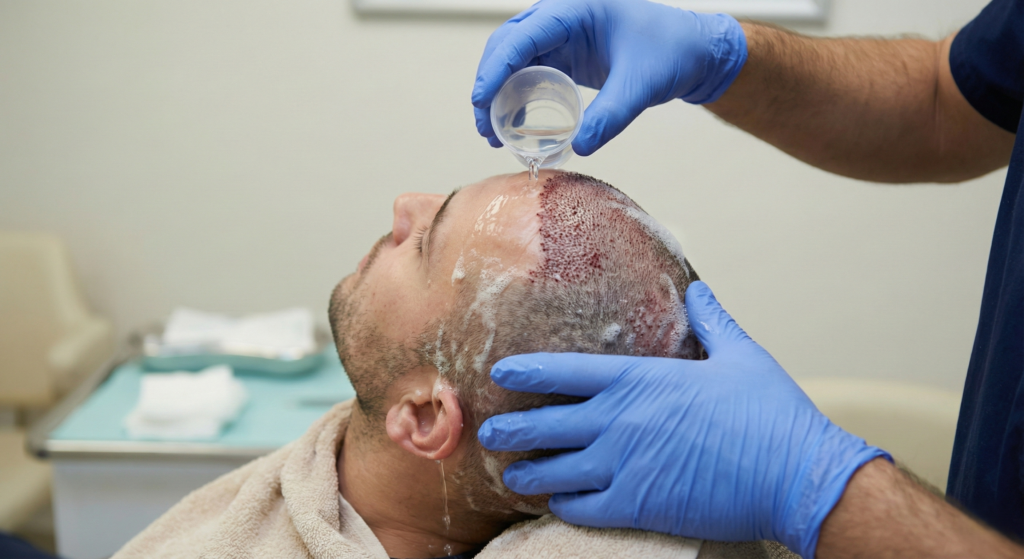
The Science of Recovery
Recovery is a science, not a guessing game. At the Dr. Serkan Aygin Clinic—recognized globally as a leader in hair transplantation—aftercare is a medical prescription tailored to your physiology, not a suggestion. regardless of skin type, you must follow these four non-negotiable steps to ensure graft survival.
- Apply the Softening Lotion First, apply the provided lotion (usually containing Panthenol). If you have a dry scalp, let it sit for 45 minutes to deeply hydrate hardened crusts. If you have an oily scalp, 20–30 minutes is sufficient to loosen debris without causing grease buildup.
- Wash with Medical-Grade Shampoo Create a rich lather in your hands first—never apply shampoo directly to the scalp. Once foamed, gently dab it onto the recipient area.
- Rinse with Care Rinse using low-pressure, lukewarm water. Avoid hot water, as it can trigger oil production in oily scalps and further dehydrate dry ones.
- Pat-Dry Only Dry the area by patting strictly with paper towels. Do not use cloth towels; they harbor bacteria, and the fabric loops can snag delicate grafts.
Following this protocol strictly for the first 14 days is the bridge between a good surgery and a great result.
Optimizing Healing with MD PLUS BIO: The Expert’s Choice

To complement this rigorous protocol, Dr. Serkan Aygin officially prescribes the MD PLUS BIO product range, specifically formulated to address the distinct needs of every patient. For those with an oily scalp, the MD PLUS BIO Shampoo offers a clinical-grade cleanse that effectively removes excess sebum and bacteria—mitigating the risk of folliculitis—without stripping the scalp’s essential moisture barrier. Its lightweight, non-greasy composition ensures the recipient area remains breathable. Conversely, for dry scalps, the Multivitamin Complex and specialized serums provide deep, penetrating hydration. Enriched with natural ingredients like Biotin, Saw Palmetto, and Collagen, these products soothe tightness and prevent the formation of hard crusts, creating the optimal environment for your new grafts to thrive.


