

What Are Keloid Scars and Why Do They Form?
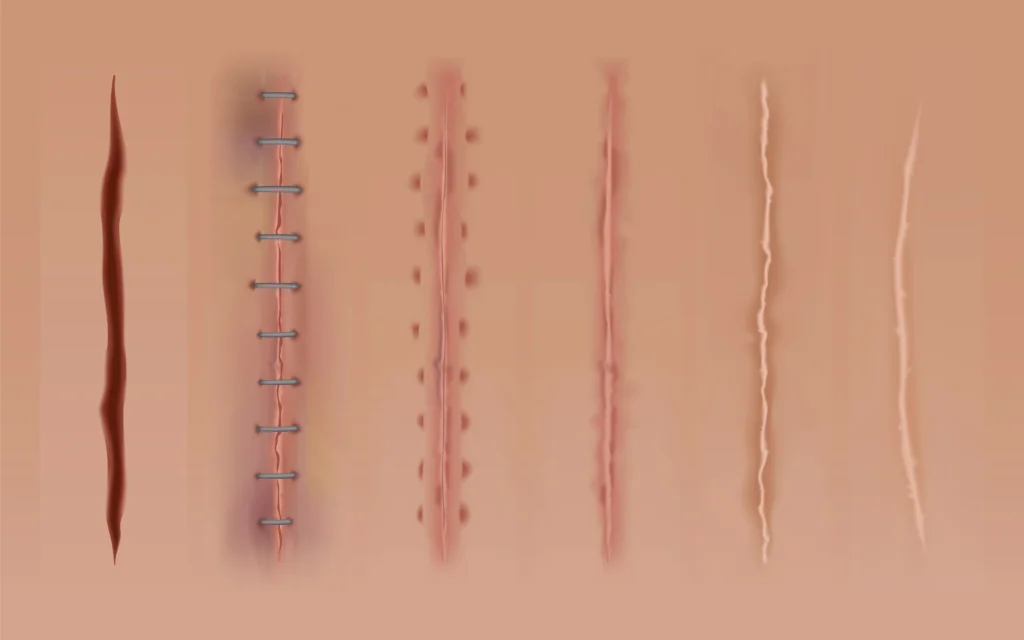
Keloids are overgrowths of scar tissue that form after an injury, incision, or inflammation. On a microscopic level, they consist of excessive collagen and extracellular matrix deposited by over‑active fibroblasts. Instead of stopping once the wound heals, the body’s fibroblast cells continue to produce collagen, creating a raised, firm, and sometimes itchy or painful scar that extends beyond the original wound. Keloids are a type of abnormal scar that grows beyond the boundaries of the original wound. Unlike regular scars, keloids do not regress over time and can become raised, firm, and discoloured. They are benign (non‑cancerous) but may be cosmetically troubling, itchy, painful, or tender.
Who Is Prone to Keloids?
Keloid formation is not random — it has several contributing factors:
- Genetic predisposition: More common in people with darker skin types (Fitzpatrick IV-VI).
- Age: Often seen in people aged 10–30.
- Location: Ears, chest, shoulders, upper back, and jawline are high-risk zones.
- Hormonal and immune responses: Certain individuals overproduce collagen type III during healing.
- Mechanical and environmental factors: Wounds under tension, infection, repeated irritation, or certain body locations (chest, shoulders) may encourage keloid formation.
📚 According to the American Academy of Dermatology (AAD), keloid scars affect about 10% of the population and are more prevalent among individuals of African, Asian, or Hispanic descent.
How Does This Relate to Hair Transplant Surgery?
Hair transplantation — whether FUE (Follicular Unit Extraction) or DHI (Direct Hair Implantation) — involves creating hundreds to thousands of tiny incisions in both donor and recipient areas.
While these are minimally invasive, each incision is technically a small wound, and for someone prone to keloids, even minor trauma can trigger abnormal scar tissue growth.
Can Hair Transplants Be Done Safely in Keloid-Prone Patients?
Yes — but only after individual risk assessment. A reputable clinic such as Dr. Serkan Aygın Clinic will conduct a comprehensive dermatological evaluation before approving surgery.
Pre-Evaluation Steps
- Medical history check (any prior keloids after piercings, acne, or surgery?)
- Scalp examination to identify risk areas.
- Test graft session (patch test) – a small area is transplanted to monitor healing over several months.
- Preventive medication – corticosteroid injections or silicone gel applications may be recommended.
- Accept that the degree of risk may vary depending on your personal history.
- Plan for a strategy that minimises tension, trauma and optimises healing.
Practical Advice
- Consult a dermatologist or trichologist before surgery.
- Inform your doctor about any past keloid scars.
- Choose a clinic with strong experience in hair transplants and a history for patients with scar‑sensitivity.
- Inform your surgeon of any past keloid formation (even small scars) and review donor/recipient site strategy accordingly.
- Follow “After‑Care” instructions meticulously (keeping the area clean, avoiding tension, not exposing to undue trauma).
- Monitor healing closely and report any early signs of raised scar, redness, itching, or pain.
- Consider adjunctive therapies (pressure garments, silicone sheets, etc) if recommended by the surgeon.
❌ Don’t
- Do not opt for a transplant in a large untreated keloid area or if you have recently developed a keloid and healing is unstable.
- Do not expose the scalp to direct, strong sunlight for the advised period.
- Do not skip the consultation about your keloid‑risk just because the scalp is “lower risk” than other body parts.
- Do not ignore early warning signs of abnormal scarring — early intervention is far better.
- Avoid high‑tension surgery techniques or donor sites under significant mechanical stress if alternatives exist. Do not wear tight hats or headwear that cause friction or tension on the scalp during the initial healing phase.
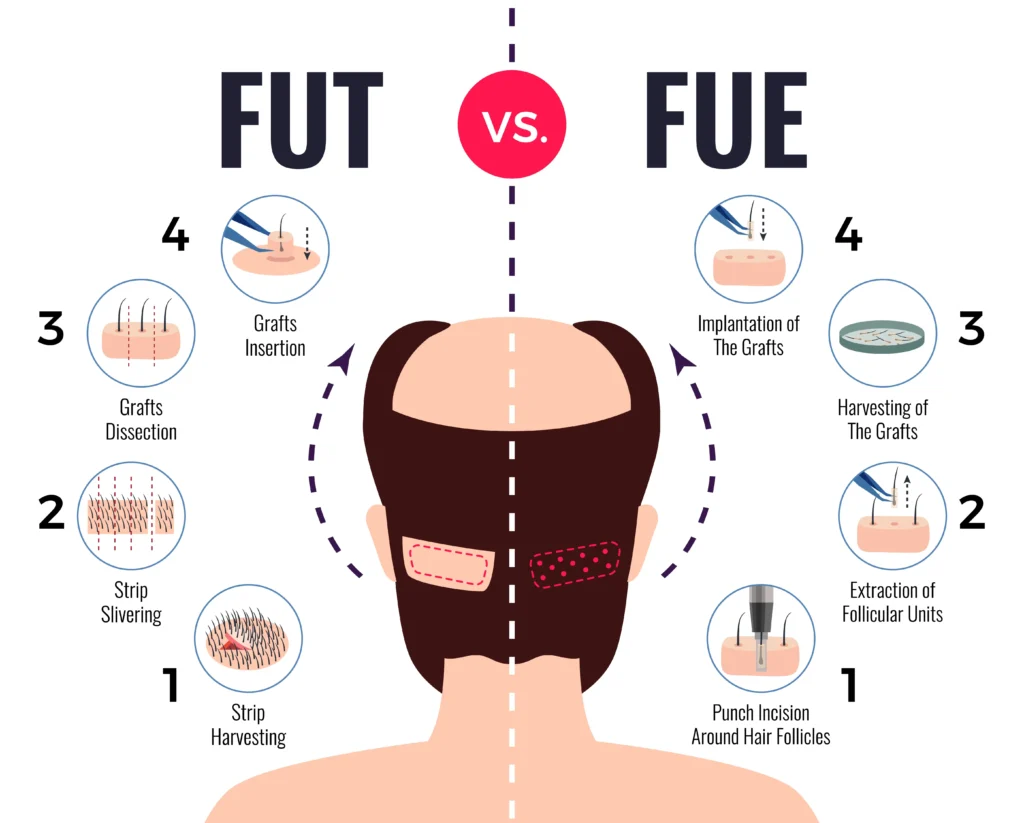
Does the type of hair transplant technique matter (FUE vs. FUT)?
Absolutely. FUE and DHI are significantly safer for keloid-prone patients because they involve tiny micro-punch extractions (e.g., 0.8 mm) instead of a linear incision, which is more likely to scar. However, no surgical procedure is without risk. Keloids have been reported following FUE in susceptible patients. The risk is extremely low, but it is best managed with a test patch and immediate post-operative preventative therapy (like steroid injections) if needed.
Table: Keloid Risk vs. Hair Transplant Safety Measures
Factor | Risk Level | Recommended Action |
History of keloids | High | Consult dermatologist before surgery |
Skin type (Fitzpatrick IV-VI) | Moderate to High | Use preventive treatments post-op |
Surgical technique | Variable | Choose minimally invasive methods |
Post-op care | Critical | Follow wound care instructions strictly |
Surgeon experience | Essential | Select a board-certified hair transplant expert |
What is the treatment if a keloid starts to form after a hair transplant?
Early intervention is key. If a keloid begins to form, the most common and effective first-line treatment is a series of intralesional corticosteroid injections. Other options include silicone sheeting, pressure therapy, or topical agents, and in some cases, laser therapy. Early diagnosis and prompt treatment by your surgeon dramatically improve the prognosis.


