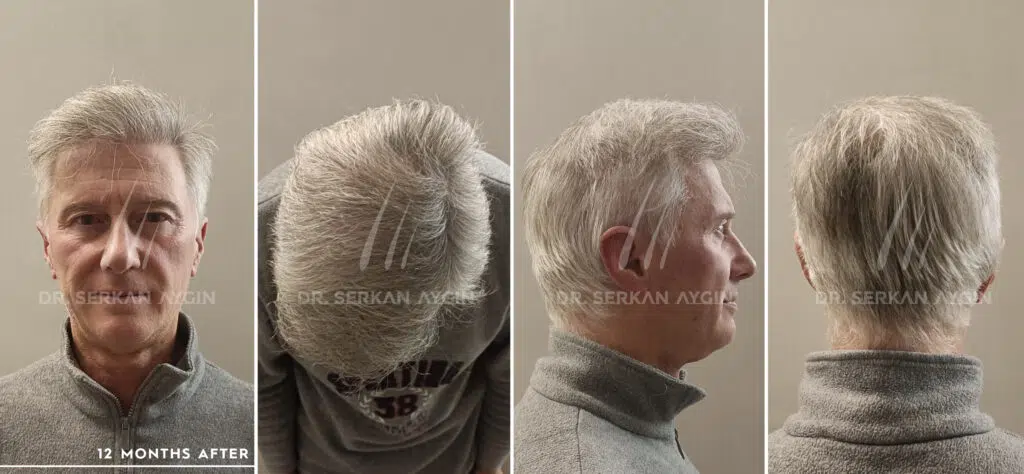

When undergoing a hair restoration journey, one of the most frequent concerns patients have is the long-term impact on the back of the head. It is vital to understand the physiological limits of the scalp to set realistic expectations for your Hair Transplant Before and After results. While modern techniques have revolutionized the industry, the donor area remains a finite resource that requires expert management.
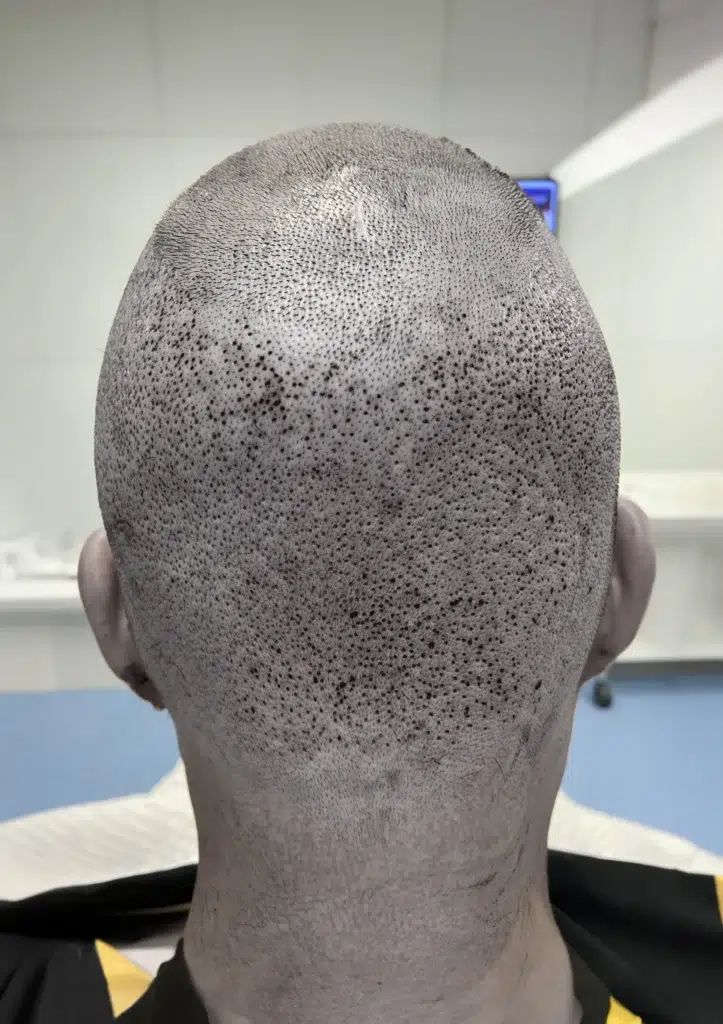
Does donor area hair grow back after FUE extraction?
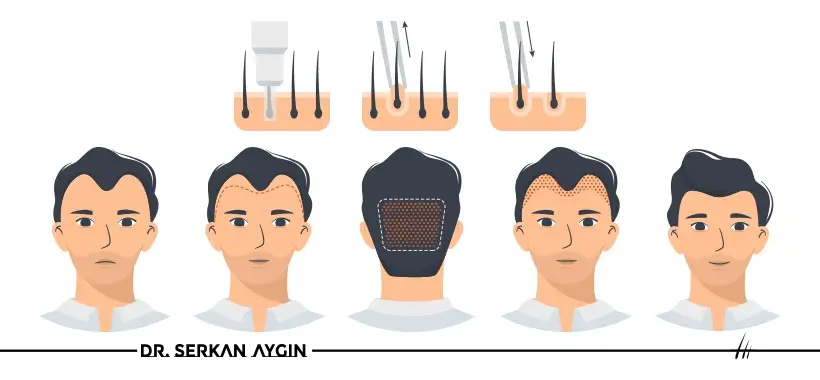
The short, medical answer is no. During a FUE (Follicular Unit Extraction) procedure, the entire hair follicle—including the bulb and surrounding tissue—is removed from the donor site. Because the organ responsible for hair production is physically relocated to the thinning area, that specific follicle will no longer produce hair in its original location.
However, a successful surgery does not leave visible bald patches. Research shows that the human scalp typically has a density of 60 to 100 follicular units per square centimeter. Surgeons can safely extract about 20-25% of the available donor hair without causing a noticeable thinning effect. The goal is to redistribute the hair so strategically that the donor site appears untouched once healed.
Managing Donor Density in Hair Transplant Turkey
The success of a procedure in Hair Transplant Turkey relies heavily on the “Safe Donor Area” (SDA) management. Since the hairs at the back and sides of the head are genetically resistant to DHT, they are permanent. However, an inexperienced surgeon might over-harvest these areas, leading to a “moth-eaten” appearance. At the Dr. Serkan Aygin Clinic, the extraction process is treated with mathematical precision.
To maintain a natural look, surgeons utilize specialized tools like the Sapphire FUE punch, which creates microscopic incisions. By spacing out the extractions and respecting the natural growth angles, the remaining hair covers the gaps effectively. Clinical data suggests that maintaining at least 40-50 follicular units per cm² in the donor zone is the threshold for a full look. This ensures the aesthetic result is high-quality from every angle.
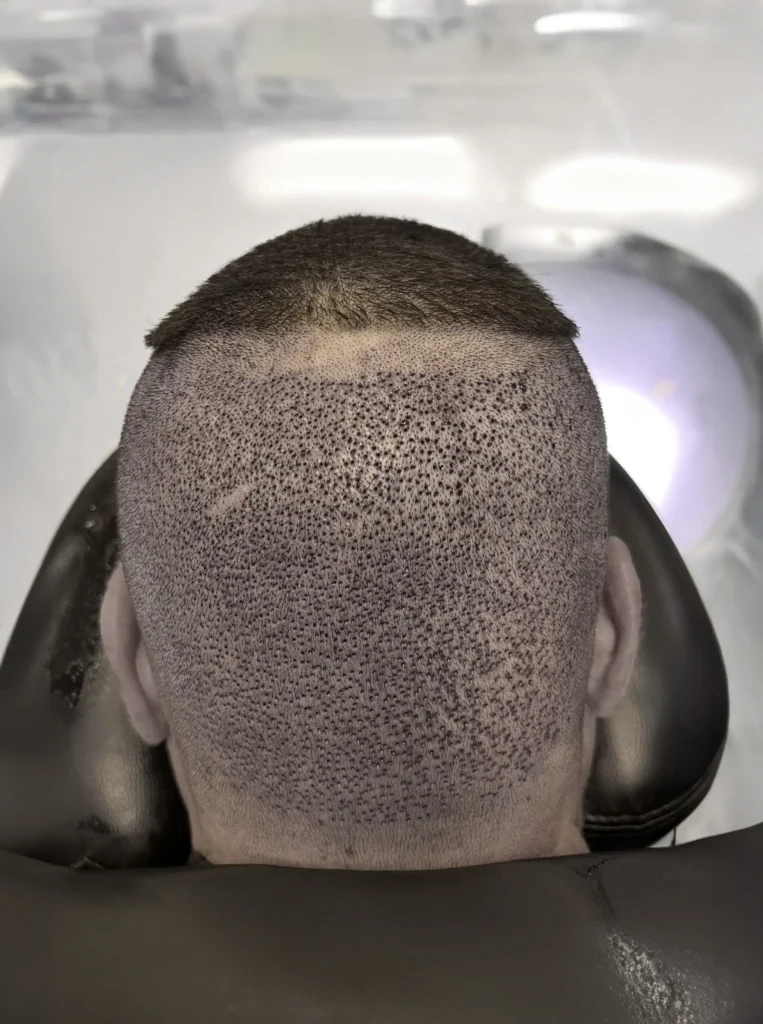
Healing Timeline: What Happens to the Donor Site After Surgery?
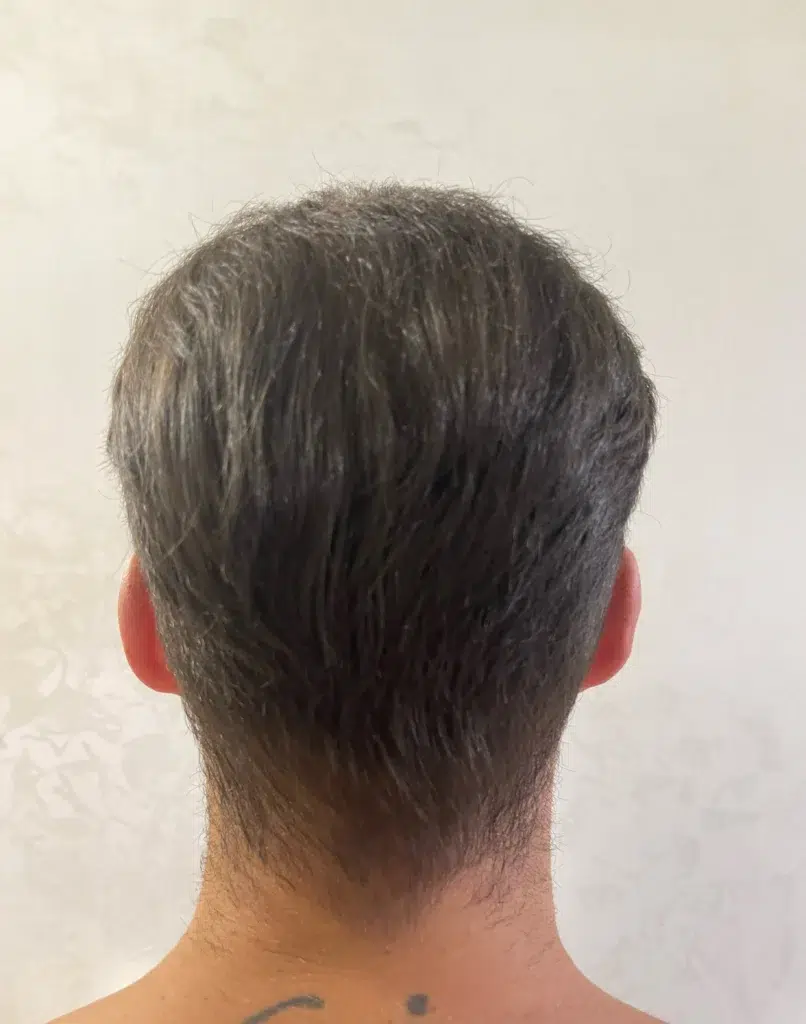
Immediately after the FUE extraction, the donor area will have tiny red dots where the follicles were removed. Within 24 to 48 hours, these micro-wounds begin to scab over. Patients often worry about the initial appearance, but the surrounding hair begins to grow immediately, quickly concealing the extraction points. By day 7 to 10, the scabs typically fall off, leaving the skin healthy.
By the one-month mark, the donor area usually looks completely normal. While the extracted hairs are gone forever, the surrounding hair has grown long enough to provide full coverage. It is important to follow post-operative care instructions, such as avoiding direct sunlight for the first two weeks, to ensure the scalp tissue heals without scarring or inflammation.
Comparing Hair Transplant Cost and Graft Survival Rates
When evaluating a Hair Transplant Cost, it is essential to look beyond the price tag and consider the “cost per surviving graft.” A cheaper procedure with a low survival rate often results in a wasted donor area—a resource you cannot replenish. In Turkey, the competitive pricing is driven by the high volume of specialized clinics rather than a compromise in quality.
Feature | Standard FUE | Sapphire FUE (Dr. Serkan Aygin) | Over-Harvested (Low Quality) |
Graft Survival Rate | 85-90% | 95-98% | Below 70% |
Donor Scarring | Minimal | Virtually Invisible | Visible thinning/patches |
Recovery Time | 10-14 Days | 7-10 Days | 20+ Days (risk of shock loss) |
Tissue Trauma | Moderate | Very Low | High |
Choosing a clinic that prioritizes graft survival ensures that every hair taken from the donor area serves its purpose in the recipient site, maximizing your overall hair density.
Avoiding Over-Harvesting: The Dr. Serkan Aygin Approach
The primary risk in any FUE procedure is over-harvesting. If a surgeon extracts too many follicles too close together, the donor area will look permanently thin or “see-through.” This is a common issue in “hair mills” where the focus is on quantity rather than quality. Expert clinics prevent this by conducting a thorough trichological analysis before the first incision. At the Dr. Serkan Aygin Clinic, extraction is strictly limited to the patient’s safe donor capacity. While some cases require high graft counts, harvesting 5,000 grafts in a single session is a major procedure that must be managed carefully to avoid “donor blowout.” By using a homogenized extraction method, the team ensures that even with high-volume cases, the donor site maintains a natural, uniform density without visible thinning.
Optimizing Hair Transplant Before and After Results
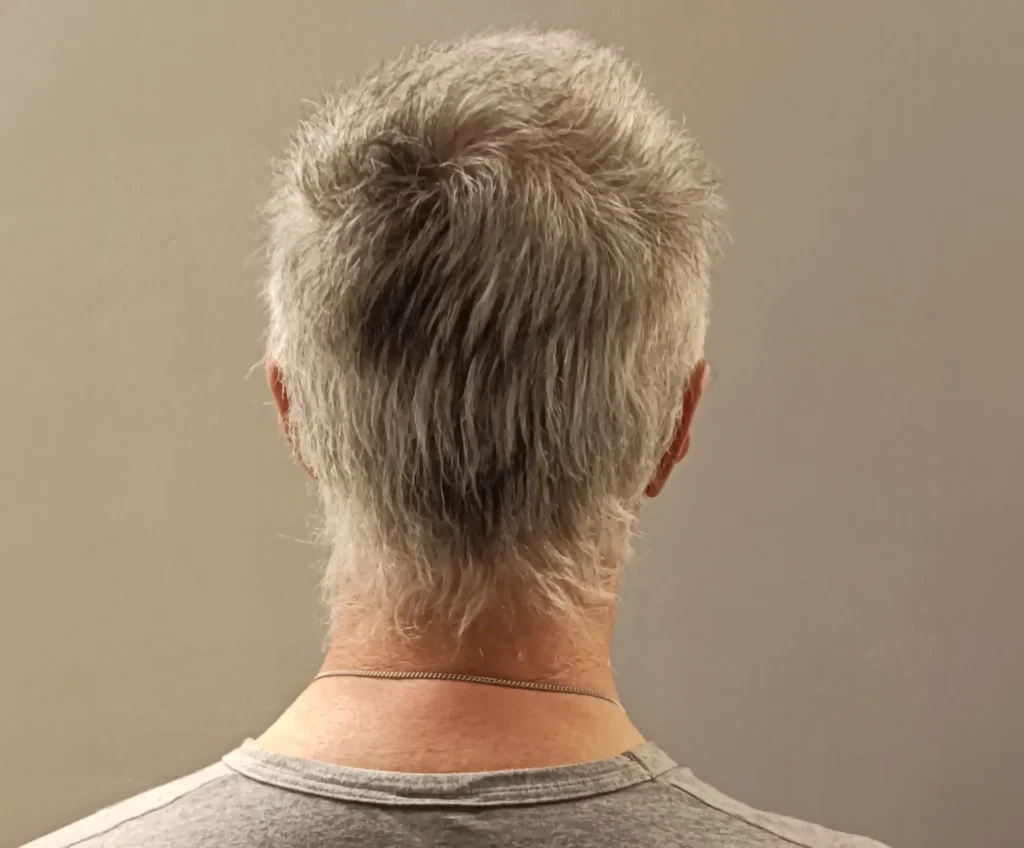
Achieving an impressive Hair Transplant Before and After transformation is a delicate balance of donor preservation and recipient density. The most successful results are those where the back of the head looks as natural as the new hairline. This is achieved through selective extraction, where only the sturdiest follicles are chosen for relocation, leaving the rest to maintain the donor site’s integrity.
Patients should look for results that show high density in the frontal area without sacrificing the donor area’s health. If the donor site is depleted, a second procedure may not be possible in the future. Therefore, long-term planning is the hallmark of a professional medical approach.