

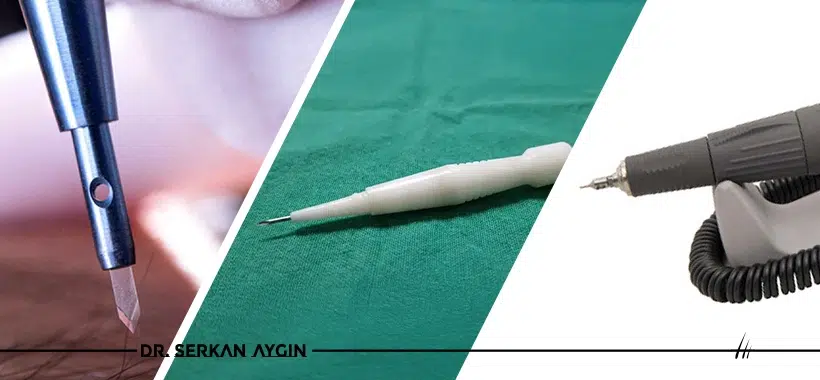
Choosing the right hair restoration technique is a pivotal decision—one that can influence your appearance and confidence for a lifetime. Modern hair transplantation has evolved far beyond outdated hair plugs, becoming a sophisticated blend of medical science, advanced technology, and surgical artistry.
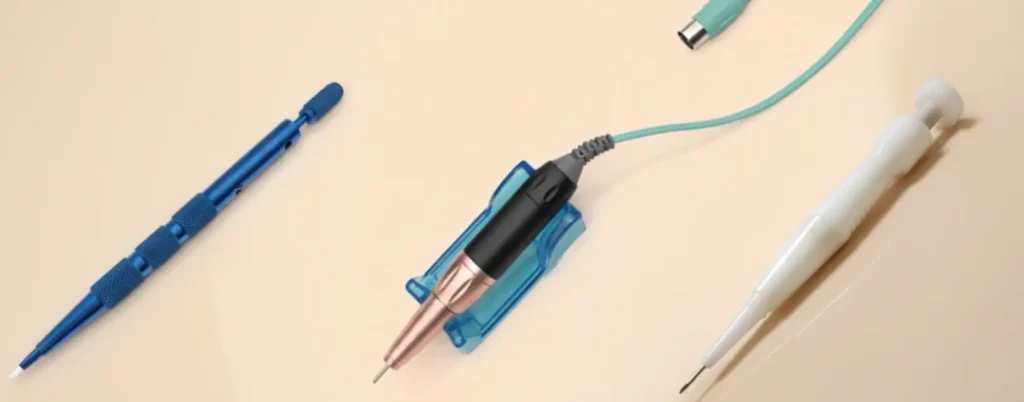
This guide offers a clear, in-depth comparison of Manual FUE, Motorized FUE, and the advanced Hybrid FUE system, helping you understand which approach delivers the most natural and long-lasting hair transplant results.
Traditional Manual FUE: Precision Through Craftsmanship
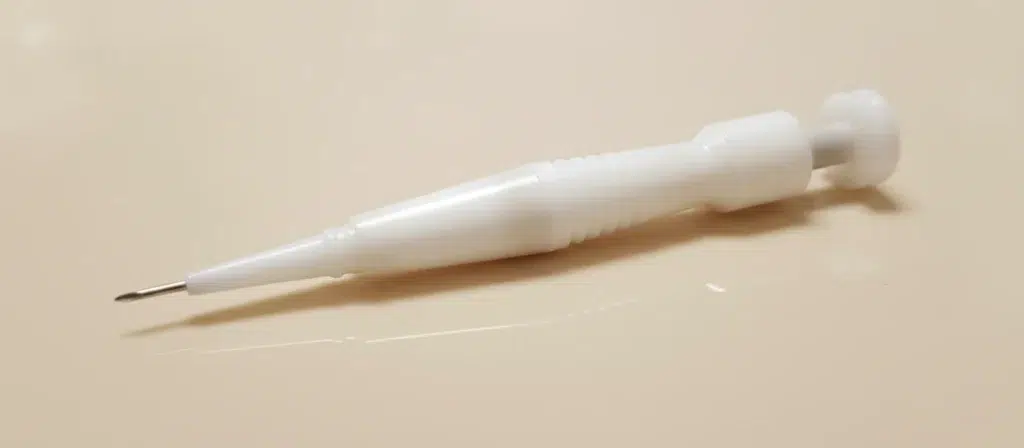
Manual FUE (Follicular Unit Extraction) remains the preferred method for many elite surgeons who prioritize tactile control over speed. During this procedure, the surgeon uses a handheld punch—typically between 0.7 mm and 1.0 mm in diameter—to extract each follicular unit individually.
By rotating the punch manually, the surgeon can feel the depth, resistance, and angle of each follicle beneath the skin. This tactile feedback significantly reduces the risk of transection (damage to the hair follicle), making Manual FUE especially suitable for delicate areas or patients with fine hair characteristics.
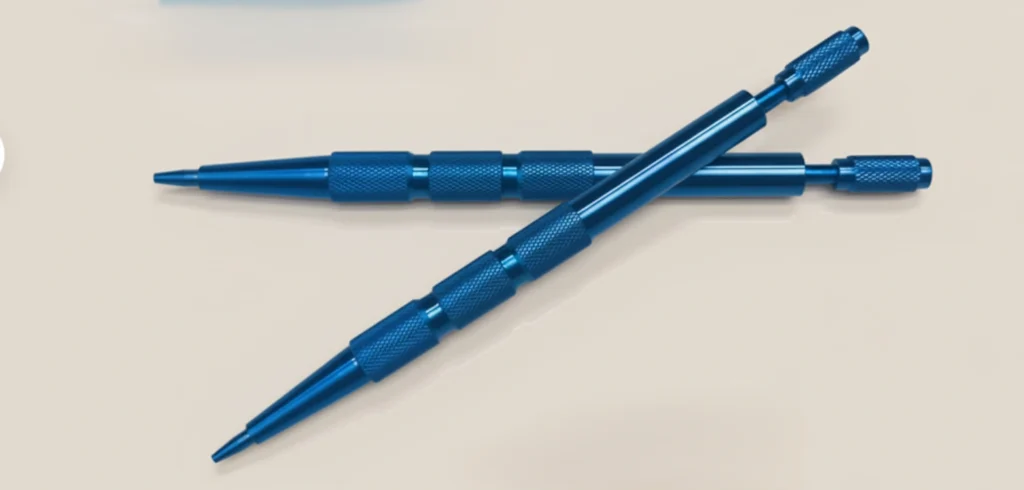
For implantation, many surgeons performing Manual FUE rely on Sapphire FUE technology. Instead of conventional steel blades, channels are created using blades made from synthetic sapphire. These ultra-sharp, non-reactive blades allow for microscopic V-shaped incisions, resulting in:
- Minimal tissue trauma
- Reduced post-operative scabbing
- Faster healing
- More natural hair direction and angulation
Motorized FUE: Efficiency for High-Density Coverage
As hair transplantation became more accessible, the demand for mega-sessions—procedures exceeding 3,500 grafts—led to the development of Motorized FUE.
This technique replaces manual rotation with a high-precision micromotor that rotates or oscillates the punch at controlled speeds. The primary advantage is efficiency: a large number of grafts can be harvested in a significantly shorter time, which is why many high-volume clinics are able to complete dense procedures in a single surgical day.
Motorized FUE is particularly effective for patients with extensive hair loss who require maximum scalp coverage. However, success depends heavily on surgical expertise. The use of a motor introduces the risk of thermal damage caused by friction-generated heat.
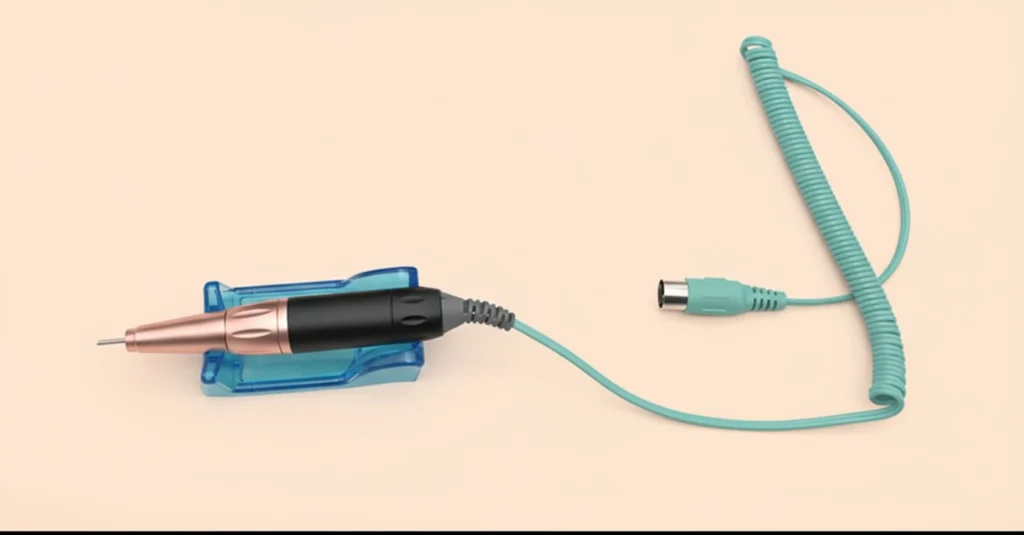
In advanced clinics, this risk is minimized through:
- Oscillating (rather than continuously rotating) punch tips
- Advanced cooling systems
- Precise speed and depth control
When performed correctly, Motorized FUE offers excellent graft yield without compromising follicle vitality.
Hybrid FUE System: Where Technology Meets Artistry
The Hybrid FUE system represents the most advanced approach in modern hair transplantation and is often described as the best of both worlds. This method recognizes that different stages of the procedure benefit from different tools.
Hybrid FUE typically combines:
- Motorized FUE for efficient, high-volume graft extraction
- DHI (Direct Hair Implantation) for precise, aesthetic placement
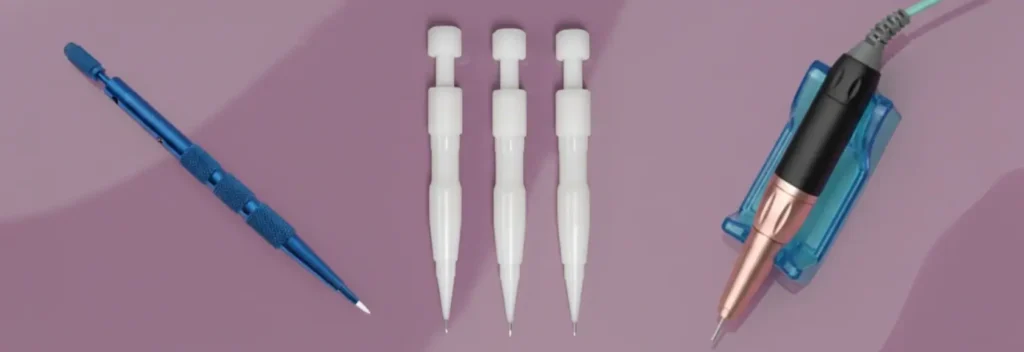
At the core of this system is the CHOI Implanter Pen. Unlike traditional implantation methods—where channels are created first and grafts are placed later—the CHOI Pen performs both steps simultaneously.
Each follicle is loaded into the pen’s hollow needle and implanted directly into the scalp at the exact depth, angle, and direction required. This stick-and-place technique minimizes graft handling and maximizes control, making it ideal for:
- Natural-looking hairlines
- High-density implantation
- Accurate replication of the patient’s original growth pattern
Technical Comparison: Key Clinical Differences
Technical Feature | Manual FUE | Motorized FUE | Hybrid FUE (FUE + DHI) |
Extraction Method | Manual hand rotation | Micromotor device | High-speed micromotor |
Surgeon Control | Maximum tactile feedback | High-speed efficiency | Controlled precision |
Implantation Tool | Sapphire blades | Steel or sapphire blades | CHOI Implanter Pen |
Healing Time | 7–10 days | 7–10 days | 5–7 days (fastest) |
Graft Survival Rate | ~95% | ~92–94% | ~97–99% |
Primary Advantage | Precision in small areas | Coverage for extensive baldness | Maximum density & aesthetics |
Understanding these distinctions is essential when evaluating both hair transplant cost and long-term value.
Which Technique Delivers the Best Results?
There is no universally “best” method—only the one that best suits your scalp anatomy, hair characteristics, and aesthetic goals.
- Patients with fine hair, complex hairlines, or crown work often benefit most from the precision of DHI within the Hybrid approach.
- Individuals with advanced baldness may achieve better coverage through Motorized FUE.
- Those seeking meticulous detail in smaller areas may still prefer Manual FUE.
Ultimately, the technique is only as effective as the expertise behind it. The most reputable clinics master all three methods, allowing them to tailor the procedure rather than force a one-size-fits-all solution.


